
Complementary Trex® Fencing Colors: How to Pair Your Fence with Your Deck, Home, and Landscape
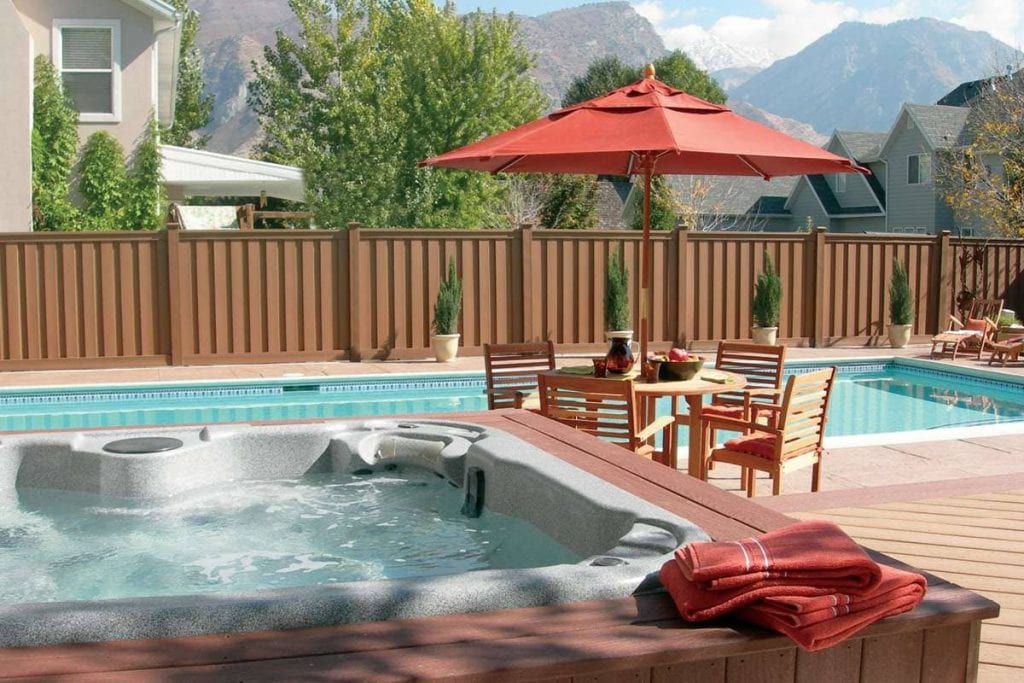
A fence isn’t just a boundary — it’s the backdrop for everything else in your outdoor space. The right color choice can make your deck feel richer, your landscaping pop, and your whole property look intentionally designed. The wrong one can leave things feeling flat or mismatched. The good news? Trex® Fencing’s color palette was built with pairing in mind. Every shade is a nature-inspired neutral, which means there’s no truly “wrong” combination — just different moods. Here’s how to find the one that fits your home. Meet the Trex Fencing Color Palette Trex Fencing comes in four rich, natural colors, each with its own personality: Saddle — A warm, light tan reminiscent of freshly stained cedar. Saddle brightens a yard and brings a natural warmth that suits craftsman-style homes and sunny, open landscapes. It starts a bit darker and weathers to a lighter tan over time. Winchester Grey — A cool, sophisticated grey. It’s manufactured with extra pigment, so it starts out noticeably darker (almost brownish-grey) and weathers into its intended soft, light grey. Winchester Grey is a favorite for coastal properties and modern designs, and it pairs beautifully with brick and masonry. Woodland Brown — A deep, rich brown that looks like elegantly dark-stained wood. It fades the least of any color and creates a strong, defined border around a property. It’s consistently the most popular Trex Fencing color — and for good reason. Charcoal Black — Like Woodland Brown, this is a deep, dramatic shade that stays dark throughout its life. It’s the go-to for bold, contemporary looks, especially in horizontal styles like Solitudes. One thing that sets Trex apart: these colors are designed to weather gracefully. Trex uses an over-pigmentation process, infusing extra color during manufacturing so the ideal shade emerges as the fence naturally lightens. Age and weather bring out the best in the fence rather than wearing it down. Pairing Your Fence with Trex® Decking If you have (or are planning) a Trex deck, your fence color choice gets even more interesting. You have two directions to go: Match for a seamless look Tone-on-tone pairings create a calm, cohesive outdoor room. Try these combinations: Winchester Grey fencing + Trex Transcend® Lineage® in Island Mist, Rainier, or Salt Flat. These silvery, airy deck tones echo Winchester Grey’s weathered finish for a serene, coastal feel. Saddle fencing + Lineage in Biscayne, Carmel, or Hatteras. These light coastal browns and creamy taupes share Saddle’s sun-warmed character. Woodland Brown fencing + Lineage in Jasper. Jasper’s deep mocha tones sit comfortably alongside Woodland Brown for a rich, grounded palette. Contrast for definition A fence in a contrasting shade frames your deck like a picture frame: A light deck against a dark fence. Pair a pale, silvery deck like Island Mist or Salt Flat with Woodland Brown or Charcoal Black fencing, and the deck becomes the bright centerpiece of the yard. A warm deck against a cool fence. A honey-toned deck like Biscayne against Winchester Grey fencing balances warm and cool for a fresh, modern look. Not sure which direction suits you? The interactive Color Contrast with Decking tool lets you preview Trex Fencing and Trex Decking colors side by side — and it accounts for how both materials naturally weather over time, so you’re comparing the colors you’ll actually live with. Pairing Your Fence with Your Home’s Exterior Your fence should complement your house, not compete with it. A few reliable guidelines: Brick and masonry homes: Winchester Grey picks up the cool undertones in stone and mortar for an understated, timeless pairing. White, blue, or grey exteriors: Winchester Grey continues the cool palette; Charcoal Black adds crisp, modern contrast. Craftsman and warm-toned homes: Saddle enhances earthy siding colors and natural wood accents. Homes with darker siding, stone, or wooded surroundings: Woodland Brown adds depth and blends naturally into forested or heavily landscaped settings. Vibrant landscaping: Any of the darker shades — Woodland Brown or Charcoal Black — make greenery and flower beds stand out in high relief, while Saddle lends a soft, sunlit backdrop. Get Creative: Mix Your Colors Because Trex Fencing is a stick-built system, you’re not locked into a single color per fence. Some homeowners mix shades for a truly custom look — for example, Woodland Brown posts and rails with Saddle pickets in between (affectionately known as the “peanut butter cup” combination). It’s a simple way to add character that wood and vinyl fences simply can’t match. See the Colors for Yourself Screens can only tell you so much — composite colors have texture, depth, and subtle variation that photos don’t fully capture. Before you commit: Order samples. Get Trex Fencing color samples shipped to you so you can hold them against your siding, deck boards, and landscaping in real daylight. Try the tools. Use the Color Contrast with Decking tool and the Trex Fence Designer to visualize your combinations. Talk to a pro. A local contractor can help you weigh how each color will weather in your climate and setting. Whichever direction you choose — warm or cool, matched or contrasting — you’ll get the same performance underneath: a low-maintenance composite fence made from 95% recycled materials that never needs painting or staining. The color you fall in love with is the color you keep. Ready to find your perfect pairing? Order color samples or explore the color tool to get started.